Schedule a visit to learn how orthodontic treatment can change your life. Consultations are complimentary, informative, and transparent. No strings attached.
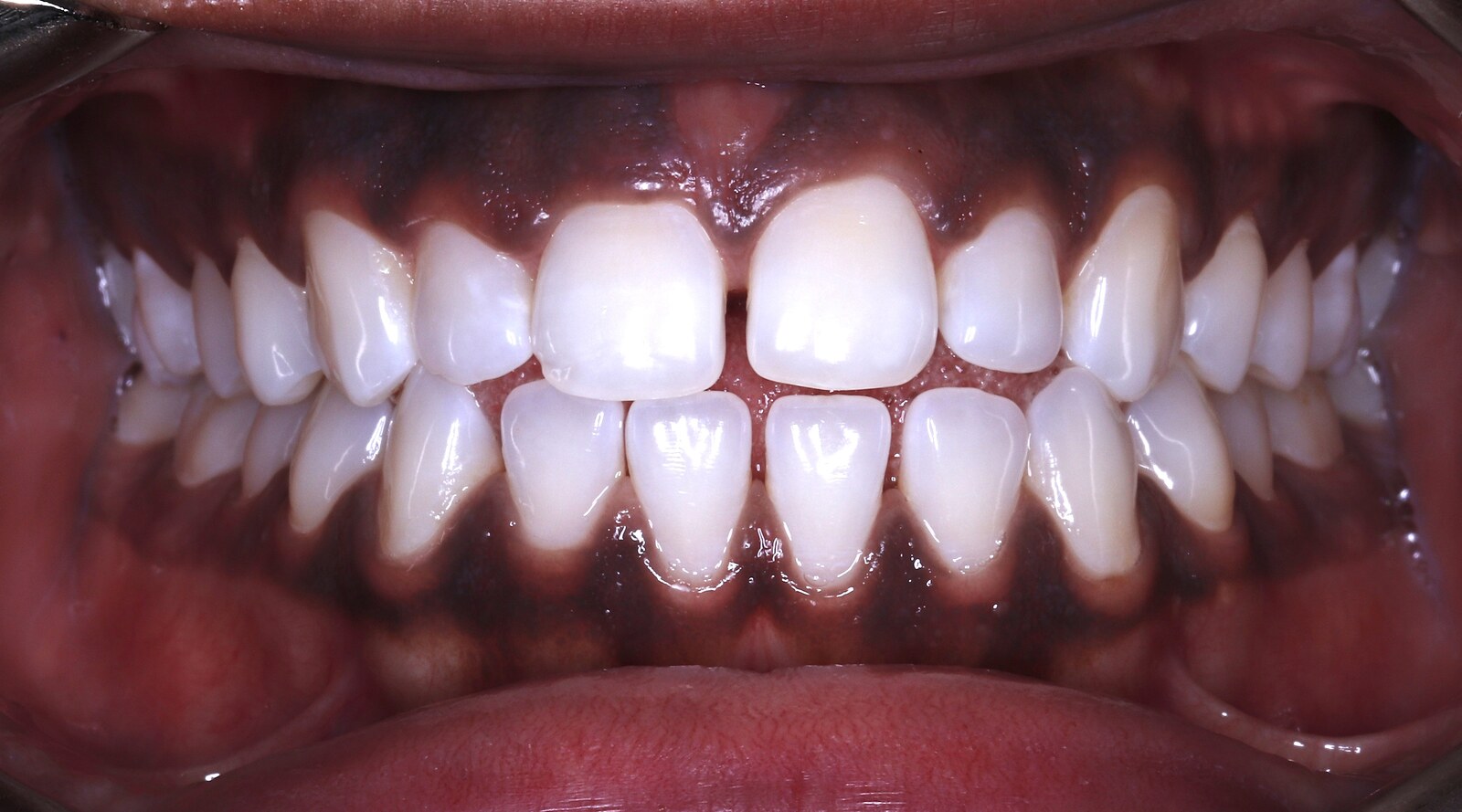
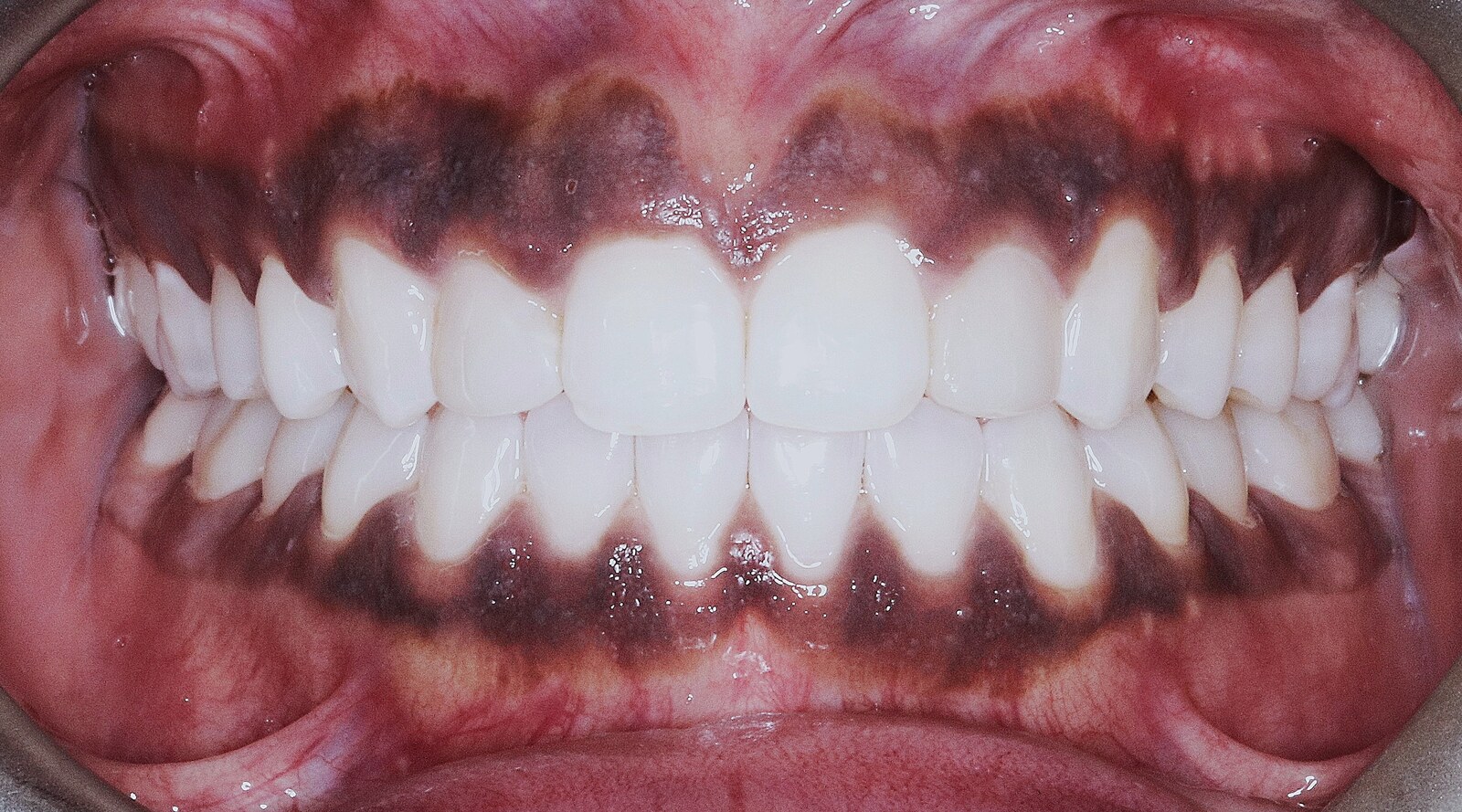
Book Consultation →Before → After
Photographed under retraction, no retouching
More example cases
These are everyday patients from Dr. Le's own practice — planned and treated by him — not a cherry-selected sample of best-case scenarios.
Swipe or drag for more cases
Philosophy
This is not a high volume practice. Every patient's case is truly unique, so every plan gets the attention of a single, unhurried doctor, start to finish.
Dr. Le is trained and competent across all treatment modalities and appliances, including but not limited to: early interceptive treatment for children, comprehensive care for teens and adults, complex and surgical cases, re-treatment and touch-ups, braces, clear aligners, temporary anchorage devices, and accelerated orthodontics. He can usually offer contemporary treatment solutions that are beyond the scope of traditional or dated orthodontics.
Appropriate treatment options are presented at your initial consultation, once the records needed to work your case up and personalize it have been taken.
Professional bio
Board-Certified Orthodontist
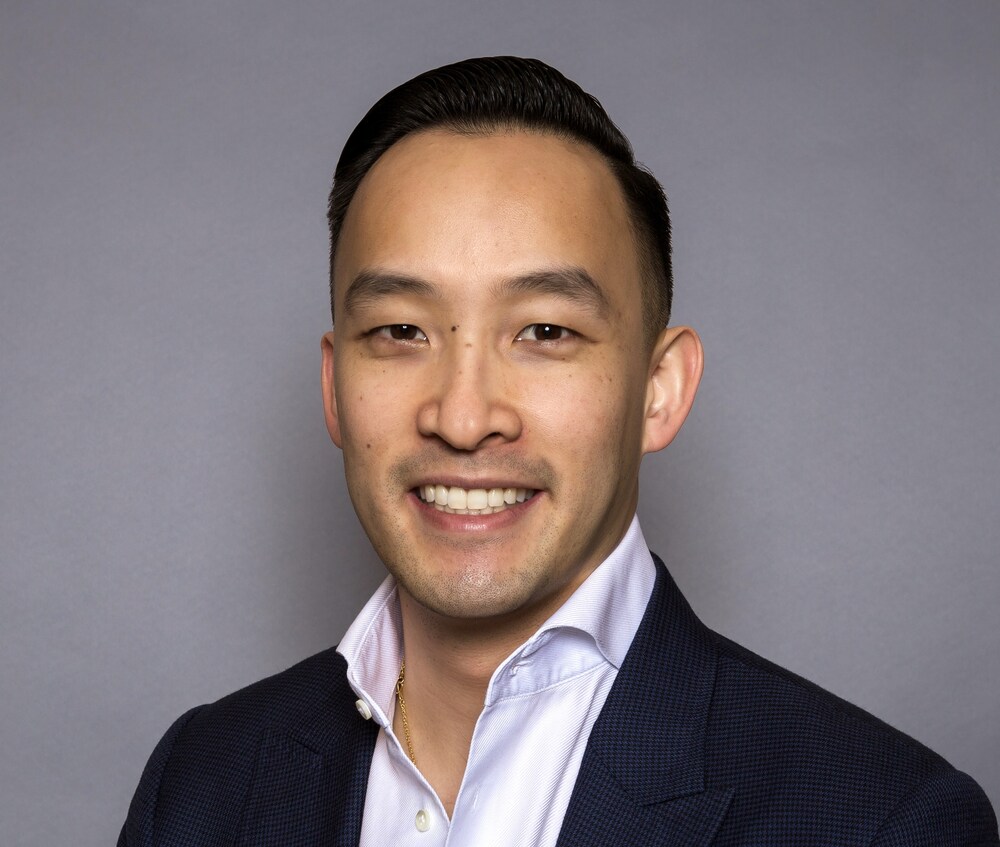
Originally from Toronto, New York has now become home for Dr. Austin Le, who works with patients every day to bring forth their healthiest, most beautiful smiles possible.
He obtained both his Doctor of Dental Surgery and his post-graduate certificate in Orthodontics and Dentofacial Orthopedics, with honours, at New York University. During his education, he received the Rahmsdorf academic scholarship and the American Association of Orthodontists Award for Outstanding Senior in Orthodontics, and was inducted into the OKU National Honor Society for high academic achievement.
Having also received numerous national research grants, Dr. Le holds an Assistant Research Scientist appointment at NYU Langone Health under Dr. Joseph J. Palamar, a leading authority in drug use epidemiology. With more than 30 peer-reviewed publications and textbook chapters to date, Dr. Le remains an active public health researcher focusing on drug use epidemiology and oral health. His achievements as a dual clinician-researcher led to his induction into the New York Academy of Medicine.
Prior to his career in dentistry, Dr. Le worked in the private sector as a consultant in the health sciences. He obtained a Master's degree in International Health Policy and Health Economics at the London School of Economics and Political Science, and a Bachelor's degree in Physiology at McGill University.
Straight answers
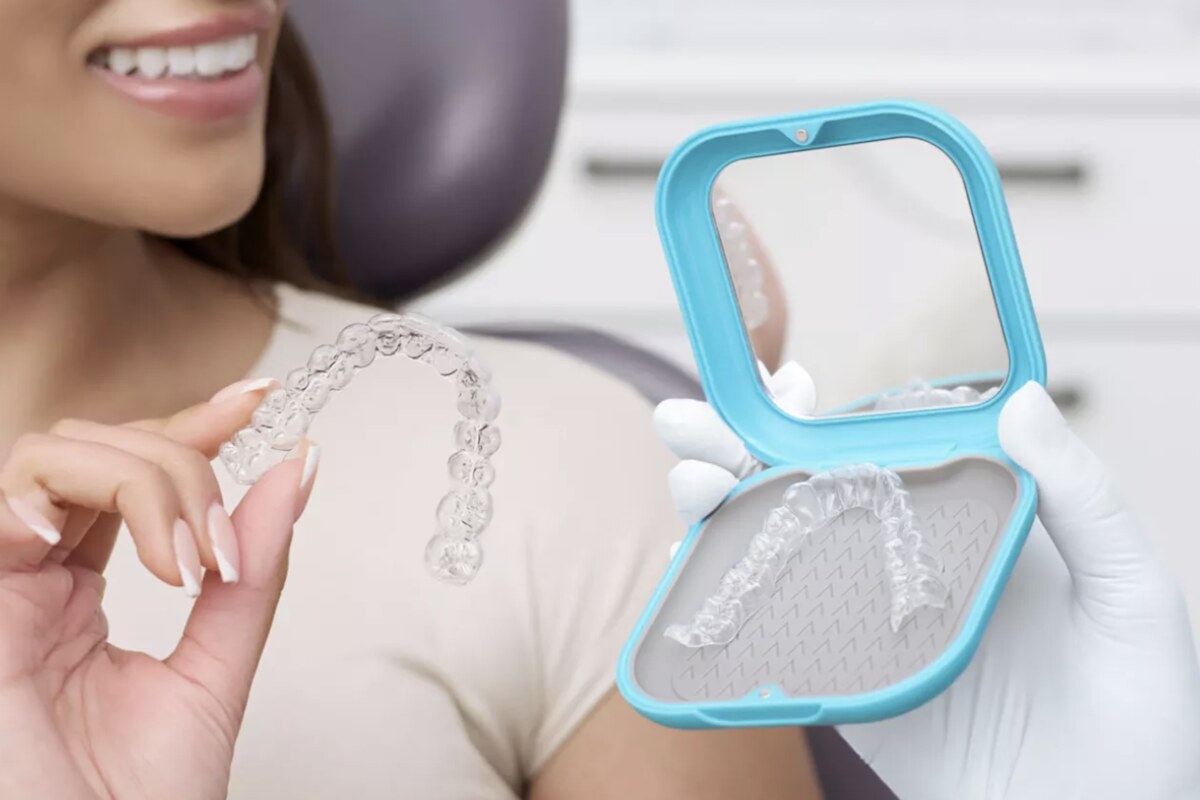
For the vast majority of cases, the answer is simply no — Dr. Le can achieve the same result with modern clear aligners that he could with traditional braces, and most of his patients choose aligners for the comfort. The more nuanced and honest answer is that braces and aligners are simply the tools available for the job at hand; the plan behind the treatment matters far more than the hardware carrying it out. There are select cases where braces give the better result, just as there are many where clear aligners do. That's something Dr. Le assesses upfront, and he'll tell you plainly which category you're in at your first consultation.
Absolutely not. If orthodontic treatment is necessary for long-term function and for maintaining or improving your oral health, then age is not a prohibitive factor. Teeth move at any age, because the biology that moves them doesn't switch off. What does change with age is that gum and bone health matter more — something Dr. Le evaluates and accounts for with you at your first consultation and throughout your treatment. Clear aligners also make the whole thing close to effortless compared with braces, which is often what makes treatment realistic to fit around an adult life in the first place.
Longer than most people expect. In the United States, a study of 140 completed cases across five orthodontic practices found an average treatment time of 28.6 months, varying from 23.4 to 33.4 months depending on the office. Globally, a systematic review pooling the available studies put the mean closer to 19.9 months for treatment with fixed appliances.
Most of Dr. Le's cases finish in roughly 12 to 18 months. That isn't speed for its own sake. It comes from planning each case thoroughly enough to be efficient from the first appointment, and from spending real time with you upfront to control the variables that quietly stretch treatment out at other offices. You'll know from the start exactly what's expected of you and what staying compliant actually involves. Once he has the records, he'll give you as tight an estimate as he can.
Beckwith FR, Ackerman RJ Jr, Cobb CM, Tira DE. An evaluation of factors affecting duration of orthodontic treatment. Am J Orthod Dentofacial Orthop. 1999;115(4):439–447.
Tsichlaki A, Chin SY, Pandis N, Fleming PS. How long does treatment with fixed orthodontic appliances last? A systematic review. Am J Orthod Dentofacial Orthop. 2016;149(3):308–318.
Expect pressure and tenderness for two to four days after placement and after adjustments, worst on day two. It responds well to over-the-counter pain relief and softer food. Sharp, persistent pain isn't normal — that's a call-the-office situation, not a wait-it-out one.
Yes — re-treatment is a routine part of the practice, whether teeth relapsed after retainers were no longer worn, or the first result was never fully satisfactory. It often takes less time than the original course, and the first step is the same: records, then a plan.
Every orthodontist has completed dental school plus a multi-year accredited specialty residency. Board certification is a further, entirely voluntary step: passing the American Board of Orthodontics written and clinical examinations, which test diagnosis, treatment planning, treatment management, and critical assessment of your own finished outcomes. The certificate expires after ten years, so it has to be renewed by examination rather than held indefinitely. Orthodontists who complete it are called diplomates.
The honest answer to the second half: no, you don't need one. It isn't a legal requirement, it isn't needed to practise orthodontics, and there are excellent orthodontists who never sat the exams — as of recent figures, roughly a third of orthodontists in the AAO haven't. What it does give you is an independent check. Someone other than the treating doctor examined that doctor's clinical judgement against a national standard and signed off on it. Think of it as a vote of confidence you don't have to take on trust, not a guarantee — and certainly not a substitute for looking at a doctor's actual finished cases, which is why they're published on this page.
Effectively, yes, and anyone who tells you otherwise is setting you up for relapse. Teeth drift throughout life whether or not you've had braces. Nightly retainer wear indefinitely is the price of keeping the result — it's a small ask compared to repeating treatment, which is what a meaningful share of retreatment cases are.
Every patient here receives high-quality Essix retainers as standard: custom-made, comfortable, and clear, so they look much like the aligners themselves. For patients who would rather not think about it every night, Dr. Le also offers permanent lingual retainers — a fine wire bonded discreetly behind the front teeth that holds them in place with nothing to remember and nothing to lose.
Consultations
Coming soon
Pearl Smiles Orthodontics 73 Glen Cove Road